| Written by Mark Buzinkay
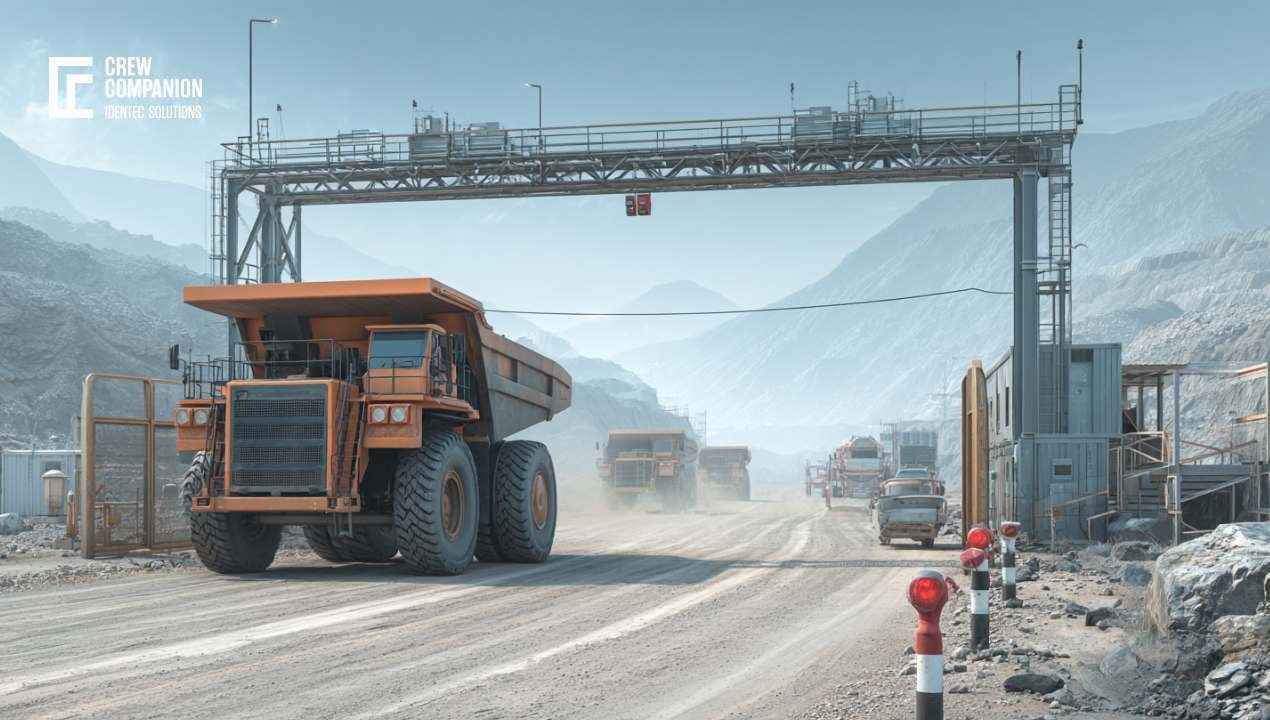
Table of contents:
- The Traffic Environment in an Open Cast Mine
- Vehicles and Movement Patterns in an Open Cast Mine
- Key Traffic Challenges in an Open Cast Mine
- Traffic Control Strategies in an Open Cast Mine: From Manual to Digital
- Benefits of Efficient Traffic Management in an Open Cast Mine
- FAQ
- Takeaway
- Glossary
An open cast mine is one of the most dynamic and logistically demanding industrial environments. Unlike underground operations, it relies on vast, open areas where large volumes of material are extracted and transported continuously (see here for more about the open cast mining method). This results in constant movement of heavy machinery, support vehicles, and personnel across expansive, often-changing terrain.In such a setting, traffic is not just a background process—it is central to both safety and productivity. Poorly managed traffic can lead to accidents, delays, and increased operational costs, while efficient traffic control can significantly improve output and reduce risks. This article explores how traffic works in an open cast mine, the challenges involved, and how modern technologies are transforming traffic management.
The Traffic Environment in an Open Cast Mine
The traffic environment in an open cast mine is unlike any conventional road system. It is defined by continuous movement, changing routes, and harsh operating conditions.
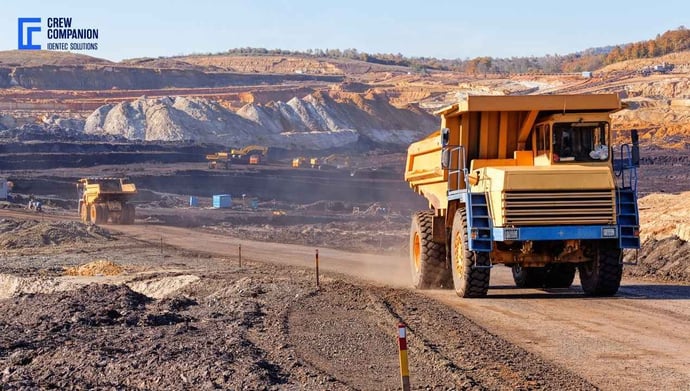
At the core of open pit mining operations are repetitive haul cycles. Large haul trucks transport material from the excavation point to dumping or processing areas, often operating 24/7. These cycles create constant traffic flows that must be carefully coordinated to avoid congestion and delays.
The physical layout of an open cast mine adds to the complexity. Roads are carved into benches that descend into the earth, with steep gradients and tight turns. Haul roads are typically unpaved, making them highly susceptible to weather conditions. Rain can turn surfaces into mud, while dry conditions generate dust that severely reduces visibility.
Visibility is a persistent challenge. Dust clouds, blind corners, and night operations all contribute to limited sightlines. Operators of large vehicles often rely on experience and communication rather than clear visual cues.
Adding to this complexity is the presence of mixed traffic. Massive haul trucks share space with light vehicles, maintenance units, and specialized machinery. Each type of vehicle has different speeds, sizes, and maneuverability, making coordination essential.In essence, the open cast mine is a constantly evolving traffic ecosystem where conditions can change rapidly, requiring robust and adaptive traffic control strategies.

Vehicles and Movement Patterns in an Open Cast Mine
An open cast mine operates with a diverse fleet of vehicles, each serving a specific role within the production cycle. This diversity significantly increases the complexity of traffic management.
Heavy equipment forms the backbone of operations. Haul trucks, often capable of carrying hundreds of tons, dominate the roads. These vehicles operate in continuous cycles, moving between loading and dumping points. Excavators and shovels load material, while dozers and graders maintain roads and manage terrain.
Supporting this heavy machinery is a range of auxiliary vehicles. Water trucks are used to suppress dust, improving visibility and road conditions. Fuel and maintenance trucks ensure that equipment remains operational, often moving between different areas of the mine. Emergency vehicles must also be able to navigate through traffic quickly and safely.
Light vehicles play a crucial role as well. Supervisors, engineers, and other personnel rely on pickup trucks or similar vehicles to move across the site. These vehicles are more agile but also more vulnerable in interactions with heavy equipment.
Movement patterns in an open cast mine are highly repetitive yet dynamic. Haul trucks follow established routes, but these routes can change as the mine expands or shifts. Intersections and bottlenecks are common, particularly near loading zones and dumping areas.
A growing trend is the introduction of autonomous haulage systems. These vehicles operate with minimal human intervention and follow predefined paths. While they can improve efficiency and safety in open pit mining, they also introduce new challenges, particularly when operating alongside manually driven vehicles.
The combination of different vehicle types, movement speeds, and operational roles makes traffic in an open cast mine a complex system that requires precise coordination.
Key Traffic Challenges in an Open Cast Mine
Managing traffic in an open cast mine involves addressing a range of significant challenges that impact both safety and efficiency.Safety is the most critical concern. The size and weight of haul trucks mean that collisions can have severe consequences. Blind spots are extensive, and operators often cannot see smaller vehicles nearby. Human factors such as fatigue, distraction, and miscommunication further increase the risk of accidents.
The scale of operations adds another layer of complexity. An open cast mine can span several kilometers, with hundreds of vehicles operating simultaneously. Coordinating this level of activity without advanced systems is extremely difficult.
Infrastructure limitations also play a role. Haul roads may be narrow, temporary, or constantly changing as mining progresses. Maintaining consistent road quality is challenging, and poor conditions can lead to reduced speeds and increased equipment wear.
Environmental factors cannot be ignored. Dust is a constant issue, reducing visibility and affecting both safety and equipment performance. Rain and extreme weather can make roads slippery or unstable, further complicating traffic management.
Communication is often a weak point. Many mines still rely heavily on radio communication, which can be unreliable or delayed. Without real-time visibility of vehicle positions, decision-making is often reactive rather than proactive.
Finally, integrating autonomous and manual vehicles introduces new challenges. Ensuring that these systems interact safely and efficiently requires advanced coordination and control mechanisms.
Traffic Control Strategies in an Open Cast Mine: From Manual to Digital
To manage these challenges, open cast mines rely on a combination of traditional and modern traffic control strategies.
Traditional methods include road signage, speed limits, and clearly defined right-of-way rules. Dispatchers use radio communication to coordinate vehicle movements, while physical barriers and designated routes help separate different types of traffic.
While these methods provide a basic level of control, they have significant limitations. They are largely reactive, heavily reliant on human judgment, and struggle to scale as operational complexity increases.
Modern traffic control solutions are transforming how open cast mines operate. Real-Time Location Systems (RTLS) allow operators to track the position of vehicles and personnel in real time. This enables better coordination and immediate response to potential risks.
Collision avoidance systems use sensors and communication technologies to detect nearby vehicles and alert operators. These systems can significantly reduce the likelihood of accidents, especially in low-visibility conditions.
Fleet management systems optimise routes and dispatching, reducing idle time and improving overall efficiency. Geofencing technology can restrict access to hazardous areas and automatically enforce traffic rules.
Centralised control rooms bring all this information together, providing a comprehensive view of operations. Operators can monitor traffic, identify bottlenecks, and make data-driven decisions to improve performance.
The shift from manual to digital traffic control represents a major step forward for open cast mines, enabling safer and more efficient operations.
Benefits of Efficient Traffic Management in an Open Cast Mine
Implementing effective traffic management strategies in an open cast mine delivers significant benefits across multiple areas.
Safety improvements are the most immediate and impactful. By reducing collisions and near-misses, mines can protect both personnel and equipment. Advanced systems provide early warnings and improve situational awareness, helping prevent accidents before they occur.
Productivity gains are also substantial. Efficient traffic flow reduces delays and ensures that haul trucks spend more time moving material rather than waiting. This leads to faster cycle times and increased output.
Cost savings follow naturally from these improvements. Reduced idle time lowers fuel consumption, while smoother operations decrease wear and tear on equipment. Fewer accidents also mean lower repair costs and less downtime.
Operational transparency is another key advantage. Digital systems generate valuable data that can be used to analyze performance, identify inefficiencies, and support continuous improvement.
Finally, workforce efficiency improves as well. Clearer communication and better coordination reduce stress and allow personnel to focus on their tasks more effectively.
Together, these benefits demonstrate that traffic management is not just a safety requirement but a critical driver of operational success in an open cast mine.
FAQ
Why is traffic control important in an open cast mine?
Traffic control in an open cast mine is essential to prevent accidents, ensure smooth operations, and reduce delays. With many large vehicles operating simultaneously, proper coordination is critical for both safety and productivity.
What are the main risks of poor traffic management in an open cast mine?
The main risks include collisions, equipment damage, operational delays, and increased fuel consumption. Poor visibility and communication gaps further increase the likelihood of incidents.
How do modern technologies improve traffic control in an open cast mine?
Technologies such as RTLS, collision avoidance systems, and fleet management platforms provide real-time visibility and automation. This enables proactive decision-making, reduces risks, and optimizes traffic flow.
Takeaway
Efficient traffic control in an open cast mine directly improves fuel efficiency and operational performance. By optimizing routes, reducing idle time, and implementing automated gates and intelligent traffic control systems, mines can significantly lower costs while enhancing safety. Digital solutions enable smoother vehicle flow, better coordination, and measurable gains in productivity, making traffic management a key lever for modern mining operations.

Delve deeper into one of our core topics: Mining security
Glossary
Haul trucks are ultra-heavy-duty vehicles used in an open cast mine to transport large volumes of overburden, ore, or waste material between loading and dumping points. Designed for extreme conditions, they can carry payloads exceeding 400 tons and operate continuously on rough, unpaved haul roads. Their size, limited visibility, and braking distance make them central to both productivity and safety challenges in mining traffic systems. (4)
References:
(1) https://www.epiroc.com/en-rs/applications/mining/surface-mining-and-quarrying/open-pit-mining
(2) https://www.komatsu.com/en-us/products/equipment/trucks
(3) https://www.cat.com/en_US/products/new/equipment/off-highway-trucks/mining-trucks.html
(4) SME Mining Engineering Handbook (Society for Mining, Metallurgy & Exploration, 3rd Edition)
Note: This article was partly created with the assistance of artificial intelligence to support drafting. The head image was created by AI.