Industry Knowledge Hub
Energy
Offshore and Onshore Oil and Gas, Wind and Alternative Energy Production
Offshore Energy
Knowledge Hub
Industry Knowledge Hub - Offshore Energy
Industry: Offshore Oil & Gas | Wind Energy | Ship building | Offshore Logistics | Jobs & Roles |
Production Process: Exploration | Construction | Production | Decommissioning | Transport | Refining | Walk-to-Work |
Offshore Installations: FPSO | FLNG | Platforms | SOVs | CTVs | Sub-sea infrastructure | Tankers |
Safety: Access Control | POB | Workplace Safety | Workplace Health | Emergency | Training | e-Mustering | Regulations | Risk Assessment | Safety Assistance Technology |
Activity: Oil | Gas | Wind | Deep Sea Mining |
Areas: North Sea | Middle East | South Atlantic | Indian Ocean | Pacific Ocean |
Mining
Knowledge Hub
Industry Knowledge Hub - Mining
Mining Industry:
Underground Mining | Surface and Open-Pit Mining | Hard-Rock Mining | Coal Mining | Metal and Non-Metal Mining | The Mining Lifecycle | Mining Companies and Stakeholders | Mining Jobs and Roles | Digital Mining and Mine Automation | Sustainable and Responsible Mining
Production Process:
Mineral Exploration and Resource Definition | Mine Planning and Design | Underground Mine Development | Drilling and Blasting | Underground Mining Methods | Loading, Hauling and Transportation | Material Handling and Conveying | Crushing, Grinding and Mineral Processing | Waste Rock and Tailings Management | Mine Closure and Rehabilitation
Safety:
Mine Safety Management | Workforce Accountability | Underground Access and Qualification Control | Emergency Preparedness and Response | Mine Evacuation and Mustering | Mine Rescue Operations | Blast Clearance and Re-Entry | Vehicle Collision Avoidance | Ventilation and Gas Monitoring | Ground Control and Rock-Fall Prevention
Geographical Areas and Regions:
Mining in Australia | Mining in Canada | Mining in Sweden and the Nordic Region | Mining in Chile | Mining in Peru and the Andes | Mining in Southern Africa | Mining in the United States | Mining in Central and Western Europe | Mining in West Africa | Mining in Arctic and High-Altitude Regions
Mining Equipment and Technology:
Drilling Rigs and Mining Jumbos | Load–Haul–Dump Machines | Underground and Surface Haul Trucks | Continuous Miners and Roadheaders | Crushers, Conveyors and Hoisting Systems | Mine Ventilation and Dewatering Equipment | Personal Protective and Self-Rescue Equipment | Underground Communication Networks | Personnel Positioning and Proximity Detection | Autonomous and Remote-Controlled Mining Equipment | Underground Network
Logistics
Container Terminals, Logistics Infrastructure and Vessels
Industry Knowledge Hub - Logistics
Technology & Digital Systems: Terminal Operating Systems (TOS) | Yard Optimisation Algorithms| Reefer Yard Optimisation | OCR, RFID, and IoT Sensor Integration | Digital Twins and Simulation Tools | Refrigeration and Airflow Systems | Power Supply and Electrical Systems | Reefer Standards, Compliance, and Certification | Predictive Maintenance for Reefers |
Operations & Processes: Vessel Operations | Yard Operations | Gate Operations | Rail and Barge Integration | Transhipment vs. Import/Export Processes | Exception Handling | Chronology of the Cold Chain | Initial Reefer Cargo Conditioning | Pre-Cooling | Reefer Handling at Terminals | Reefer Energy Efficiency and Power Optimisation | Empty Reefer and Return Operations | Reefer Stowage Planning on Vessels | Reefer Flow Management at Terminals |
Equipment, Maintenance & Asset Management: Container Types | Reefer Container Types | Container Identification and Coding | Container Standards and Regulations | Container Handling Equipment (CHE) | Preventive vs. predictive maintenance strategies | Reefer Maintenance, Lifecycle, and Reliability |
Transport & Modalities: Overview of Refrigerated Transport | Reefer Vessels and Maritime Operations | Reefer Stowage | Intermodal and Inland Reefer Transport | Trade Routes and Global Flows | Cold Corridor and Regional Infrastructure | Reefer Flow Management and Balancing |
Reefer Monitoring: Reefer Monitoring Systems and Infrastructure | Reefer Parameters and Data Collection | Reefer Alarm Management and Response | Reefer Data Management and Analytics |
Planning, Optimisation & KPIs: Berth planning and vessel scheduling | Yard planning and Block Allocation | Equipment dispatching strategies | Labour planning and shift optimisation | Peak handling and congestion management | KPI frameworks | Reefer Performance and KPI Measurement |
Cargo & Commodity Handling: Dry General Cargo (Standard Containers) | Dangerous Goods (DG) | Dangerous Goods in Reefers | Out-of-Gauge (OOG) and Project Cargo | Tank Containers | Bulk-in-Container Cargo | High-Value and Sensitive Cargo | Empty Containers | Damaged Cargo and Exception Handling | Reefer Cargo Categories and Industry Applications | Reefer Cargo Preparation and Pre-Loading | Packaging and Protection Technologies | Dangerous and Sensitive Goods Handling in the Cold Chain |
Sustainability & Environmental Impact: Energy Consumption and Electrification | Shore Power (Cold Ironing) | Emissions Tracking | Alternative Fuels | Yard design for reduced travel distances | Waste management and recycling | Sustainable infrastructure development | Energy Efficiency and Power Optimisation in Reefer Handling | Refrigerants and Cooling Sustainability | Carbon Footprint and Emission Tracking | Packaging and Waste Reduction in the Cold Chain | Reefer Infrastructure Efficiency and Green Design |
Safety: Pre-operational safety checks (POSC) | Terminal Equipment safety systems | Personnel safety procedures | Incident reporting and analysis | Safety KPIs and compliance | Training and certification programmes | Risk assessments and hazard identification | Reefer Operational and Equipment Safety | Reefer Cargo Handling and Physical Safety | Chemical and Refrigerant Safety | Training and Continuous Improvement in Reefer Handling |
Human Factors & Organisation: Workforce Skills and Training | Reefer Skills and Training | Change Management | Control Room Operations | Cross-Department Coordination |
Risk Management: Financial Risks | Operational Risks | Strategic Risks | Risk Identification Framework | Operational and Process Risks in Reefer Handling |
Claim Handling: Claim Types | Container Claim Handling Processes | Claim Handling Stakeholders | Reefer Claim Handling |
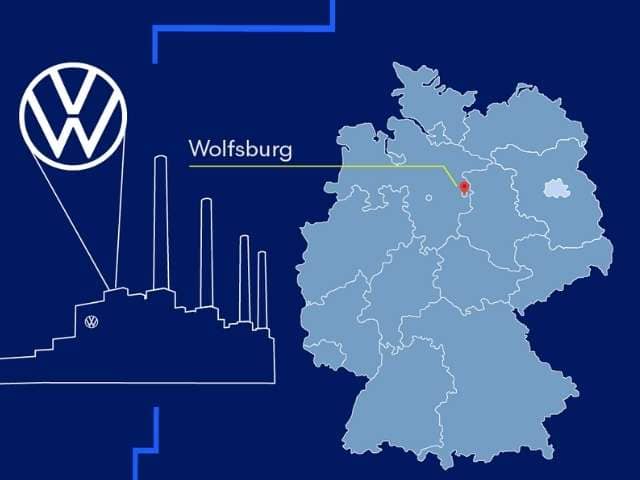
VW Autostadt Infographic
The Autostadt in Wolfsburg focuses on all aspects of mobility. The theme park and educational centre is one of the most popular tourist destinations in Germany. The Autostadt is also the world's largest new car delivery centre and home to the multi-brand ZeitHaus car museum.